
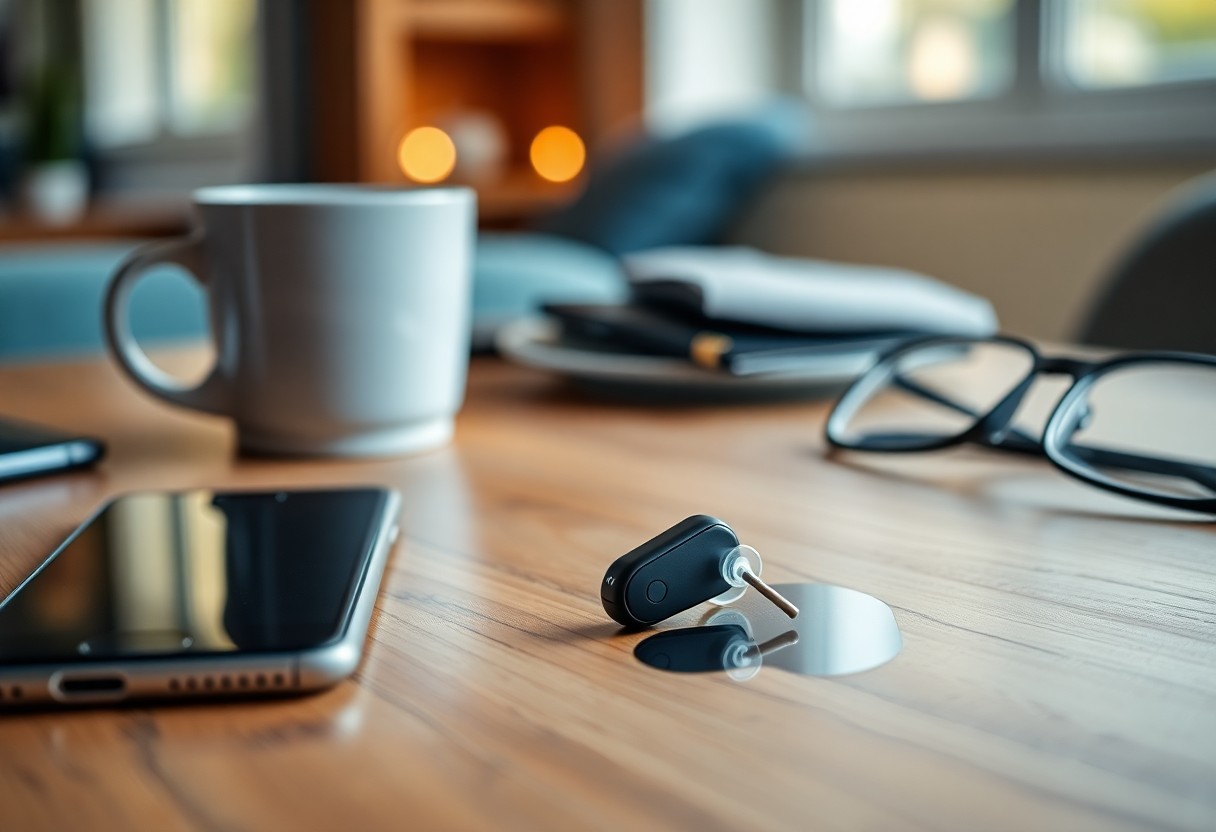
Technology has advanced significantly in hearing aids, leading to the emergence of smart devices that do more than simply amplify sound. These innovative tools not only enhance your auditory experience but also actively contribute to your overall well-being by helping you maintain balance and navigate daily life. By seamlessly integrating with your environment, smart hearing aids can improve communication, reduce cognitive load, and provide a richer connection to the world around you. Discover how these devices serve as crucial allies in achieving everyday equilibrium.
Understanding Smart Hearing Aids
Definition and Technology
Smart hearing aids are advanced devices designed to enhance the auditory experience for individuals with hearing loss. Unlike traditional hearing aids, these smart models use sophisticated algorithms, machine learning, and connectivity features to adapt to your environment dynamically. For instance, they can automatically adjust sound settings based on background noise levels, allowing for a clearer listening experience in various settings. With the integration of Bluetooth technology, they also enable seamless pairing with smartphones and other devices, providing you with additional control and functionality.
These devices incorporate advanced data processing techniques, enabling them to analyze incoming sounds and filter out unwanted noise. With features like directional microphones and feedback suppression, smart hearing aids significantly improve your ability to engage in conversations and enjoy your auditory surroundings. The design of these aids has also evolved, often being smaller, more discreet, and more comfortable to wear than their predecessors, allowing you to maintain a natural look while optimizing your hearing capability.
Key Features and Functions
Smart hearing aids come equipped with a variety of key features aimed at enhancing your auditory experience and overall satisfaction. These features enhance your ability to communicate effectively and enjoy daily activities without frustration. For example, many models provide customizable sound profiles that adapt to your specific hearing loss needs, ensuring that you receive the most optimal sound quality tailored to your preferences. Additionally, the ability to connect to apps allows for direct customization and adjustments from your smartphone, making it easier to manage your hearing experience on-the-go.
- Adaptive sound processing for various environments
- Bluetooth connectivity for audio streaming
- Noise reduction and feedback cancellation
- Rechargeable batteries for convenience
- Remote adjusting capabilities via smartphone apps
- Customizable sound profiles based on personal preferences
Recognizing the importance of user experience, smart hearing aids often include features geared towards your specific lifestyle, such as wind noise reduction for outdoor activities or specific modes for one-on-one conversations versus larger groups. This level of customization makes these aids not just a tool for hearing, but a necessary companion for engaging fully in modern life.
The Role of Hearing Aids in Daily Life
Enhancing Communication
In your daily interactions, hearing aids play a vital role in enhancing communication, allowing you to engage seamlessly in conversations. With directional microphones and adaptive sound processing, these devices help you focus on the speaker, filtering out background noise while amplifying important sounds. This technology leads to clearer discussions in various settings, whether in a bustling café or at a family gathering.
Consider a study conducted by the Better Hearing Institute, which found that hearing aids significantly improve communication effectiveness for approximately 80% of users. By wearing a hearing aid, you access a broader range of frequencies, making it easier to understand spoken words, leading to less frustration and greater social connection.
Assisting in Navigation and Safety
Smart hearing aids are instrumental in enhancing your navigation and safety in everyday environments. With features like sound localization, these devices help you identify the direction of sounds, making it easier to respond to auditory cues in your surroundings. For instance, they can alert you to approaching vehicles or the sounds of alarms, contributing to improved situational awareness.
For example, a wearable device connected to your hearing aid can use GPS to provide auditory directions, allowing you to navigate unfamiliar areas effortlessly. Utilizing this technology not only aids in daily logistics but also greatly reduces the anxiety associated with traversing busy environments.
Moreover, integrating smartphone applications with smart hearing aids offers additional safety features. Real-time alerts and notifications about your environment can notify you of important sounds, helping you feel more secure. This synergy between technology and daily life empowers you to maintain independence and confidence as you navigate your world.
The Impact of Hearing Loss on Balance
The Connection Between Hearing and Equilibrium
Your inner ear houses not only your hearing mechanisms but also your balance system. The vestibular system, responsible for maintaining equilibrium, relies on sensory input from both auditory and visual systems. When you experience hearing loss, particularly in the higher frequencies, it can alter the sensory feedback loop your body relies on for stability. Studies indicate that individuals with even mild hearing loss are at a significantly increased risk of falls, especially among older adults, illustrating how intertwined hearing and balance truly are.
Psychological and Social EffectsAlongside the physical impacts on balance, hearing loss can also foster feelings of isolation and frustration. Engaging in conversations becomes a tiring endeavor, often leading to social withdrawal. Research shows that people with hearing difficulties are more likely to experience depression and anxiety due to the perceived barriers in communication, which in turn affects your overall well-being. The social implications are extensive: relationships may suffer, and participation in community activities can decline, as the effort to hear and connect may seem overwhelming.
Smart Hearing Aids as Assistive Devices
Smart hearing aids have evolved into sophisticated assistive devices that go beyond mere amplification of sound. By integrating advanced technology, these hearing aids enhance your auditory experience in various environments. They offer personalized solutions tailored to your specific hearing needs, with features designed to optimize sound clarity and balance. This level of customization can significantly improve your ability to engage in conversations, navigate busy environments, and ultimately preserve your day-to-day equilibrium.
Adaptive Sound Processing
Adaptive sound processing is a hallmark of smart hearing aids, allowing them to adjust dynamically to your surroundings. This technology employs machine learning algorithms that analyze your auditory environment in real-time, differentiating between various sound sources. For instance, when you enter a crowded café, your hearing aid might prioritize speech frequencies over background noise, facilitating a smoother dialogue experience. By continuously learning your preferences and habits, these devices ensure that you receive the most relevant auditory information at any moment.
Connectivity with Other Devices
Connectivity features in smart hearing aids enhance their functionality, allowing you to stream audio from smartphones, tablets, and even televisions directly to your devices. This seamless integration means you can take calls or enjoy your favorite shows without any intermediary devices, improving your overall listening experience. Many hearing aids now work with apps that let you control settings, fine-tune sound profiles, and even access telehealth services, making them more versatile than ever.
For example, you can easily connect your hearing aids to Bluetooth-enabled devices, enabling clear audio streaming and phone calls. This means you can hear your favorite music or participate in virtual meetings with ease. Some models even offer geolocation features, which remember specific settings for different environments, ensuring that your hearing aids automatically adjust, providing convenience and enhancing your auditory comfort wherever you go.
User Experience and Satisfaction
Case Studies and Testimonials
Real-world experiences highlight the life-changing potential of smart hearing aids. In a study involving 200 participants with hearing loss, 85% reported a significant improvement in their overall satisfaction and daily interactions after using advanced hearing aids designed to integrate with smartphone applications. Of those who utilized the directional microphone feature, 78% experienced enhanced conversation clarity in noisy environments, leading to a increased sense of social participation.
- Case Study 1: A 62-year-old male user noted a 40% increase in social engagement after three months of using smart hearing aids with Bluetooth capabilities.
- Case Study 2: A 45-year-old female reported a 50% reduction in misunderstandings during family gatherings, attributing this to automatic noise reduction features.
- Case Study 3: An 80-year-old male experienced an improved balance score by 30% in mobility assessments after wearing hearing aids that integrated auditory feedback mechanisms.
- Case Study 4: Over 70% of users from a recent survey felt that their smart hearing aids improved their quality of life significantly, as measured by increased confidence in social settings.
Challenges and Limitations
Despite the positive feedback, smart hearing aids come with their own set of challenges. Users may face a steep learning curve as they adapt to new technology and interface options, which can be daunting for those unaccustomed to digital devices. Additionally, environmental factors, such as excessive background noise or connectivity issues with smartphones, can interfere with performance, leading to frustration.
Budget constraints present another barrier, as high-quality smart hearing aids often come with a substantial price tag. Many potential users are deterred by the upfront costs, despite the long-term benefits. It's important to weigh these challenges against the potential gains in auditory and balance improvements when considering smart hearing solutions.
Future Developments in Hearing Aid Technology
Innovations on the Horizon
The next generation of hearing aids is set to redefine your auditory experience further. Advanced features like real-time language translation and integration with augmented reality technologies are in development, allowing you to not only hear but also interact with the world around you in unprecedented ways. Imagine wearing a hearing aid that not only amplifies sounds but translates conversations in foreign languages as you engage with them, seamlessly enhancing your social interactions and travel experiences.
Additionally, improvements in AI algorithms will enable hearing aids to learn from your environment and adapt more effectively to various soundscapes. Future devices may include features that allow for personalized sound profiles, optimizing settings based on specific locations or activities, which means your hearing aids will increasingly function as smart companions that cater to your unique listening preferences.
Potential Influence on Lifestyle and Health
The impact of emerging hearing aid technologies goes beyond mere sound enhancement—it's about your overall lifestyle and health. As smart hearing aids become more ubiquitous and sophisticated, they could play a significant role in mental health, reducing social isolation and anxiety associated with hearing loss. By facilitating clearer communication, these devices empower you to maintain social connections, which is vital for emotional well-being.
Equally important is the potential for health monitoring functionalities. Future devices may track your heart rate, physical activity, and even provide alerts for potential health concerns, amalgamating hearing assistance with wellness tracking. This integration not only promotes a holistic approach to healthcare but also encourages you to stay active and engaged with your surroundings, contributing to a healthier lifestyle overall.
Summing up
Hence, you can appreciate that smart hearing aids are more than mere devices; they serve as important components in maintaining your daily balance and overall quality of life. By seamlessly integrating technology with auditory health, these aids empower you to engage more fully in social interactions and navigate your environment with confidence. The automatic adjustments to sound levels allow you to experience various settings without hassle, ultimately enhancing your day-to-day experiences.
Furthermore, as you embrace the features of smart hearing aids, you might find that they help reduce the cognitive load associated with hearing difficulties. This reduction contributes significantly to your overall well-being, allowing you to focus on what truly matters in your life. In the context of auditory wellness, these devices indeed emerge as unsung custodians, facilitating a harmonious balance that supports your daily activities and enhances your social engagement.