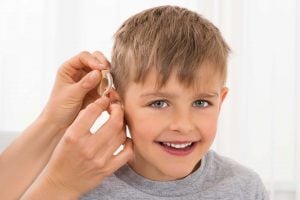

With the rise of functional health practices, you may wonder how integrating hearing aids into your wellness routine can enhance your quality of life. This approach not only addresses hearing loss but also fosters a holistic view of health, emphasizing the interconnectedness of mind, body, and hearing. By understanding how hearing aids can work in tandem with functional health strategies, you can unlock new pathways to personal resonance and fulfillment, ultimately transforming your auditory experiences and overall well-being.
Understanding Hearing Aids
Types of Hearing Aids
You may not be aware that hearing aids come in different styles and technologies designed to suit various needs and preferences. The primary types include behind-the-ear (BTE), in-the-ear (ITE), completely-in-canal (CIC), and receiver-in-canal (RIC). Each type varies in terms of size, features, and ease of use, allowing you to choose the perfect match for your lifestyle. For instance, BTE aids are often more powerful and suitable for severe hearing loss, while CIC aids are discreet and comfortable for mild to moderate loss.
- Behind-the-Ear (BTE)
- In-the-Ear (ITE)
- Completely-in-Canal (CIC)
- Receiver-in-Canal (RIC)
- Bone-Anchored Hearing Aids (BAHA)
Thou should consider your lifestyle, aesthetic preferences, and specific hearing needs when selecting the best type for you.
| Type | Advantages |
|---|---|
| BTE | Powerful, suitable for severe loss |
| ITE | Custom fit, easy to handle |
| CIC | Discreet, comfortable, less visible |
| RIC | Natural sound quality, less occlusion |
| BAHA | Ideal for conductive hearing loss, integrated with bone |
The Technology Behind Hearing Aids
The technology in modern hearing aids has advanced tremendously over the years, significantly enhancing sound quality and user experience. You will find features like digital signal processing (DSP), which analyzes incoming sounds and adjusts accordingly to optimize clarity. Furthermore, noise reduction algorithms and feedback suppression systems minimize background noise and prevent whistling sounds, allowing you to focus on conversations. Wireless connectivity options enable seamless integration with smartphones and other devices, making communication easier and more convenient.
Innovative features such as directional microphones help you to focus on sounds coming from specific directions, which is especially useful in noisy environments. Additionally, some hearing aids now offer personalized listening profiles, adapting to your unique preferences and environments. These technological advancements ensure that whether you’re in a quiet room or a bustling café, your listening experience transforms, making interactions vibrant and meaningful.
Functional Health Practices
Definition and Importance
Functional health practices focus on the interconnectedness of bodily systems and the importance of holistic well-being. By addressing the root causes of health issues rather than merely treating symptoms, these practices empower you to take an active role in your health. This integrated approach emphasizes the importance of lifestyle factors such as nutrition, exercise, mental health, and social connections in maintaining optimal health.
Understanding functional health can enhance your quality of life, especially when combined with hearing aids. For individuals with hearing loss, engaging in functional health practices can improve cognitive function and overall wellness, which may help you adapt better to the changes in auditory perception that hearing aids can bring.
Examples of Functional Health Practices
Several functional health practices can positively impact your overall health. Nutritional therapy, for instance, emphasizes whole foods and balanced diets to nourish your body. Exercise regimens tailored to your abilities promote physical fitness, while stress management techniques, such as mindfulness or yoga, enhance mental resilience. Engaging regularly in social activities also fosters emotional support and strengthens community ties, contributing to your overall well-being.
Integrating these practices into your daily routine can lead to significant benefits. By prioritizing nutrient-rich foods, you may find that your energy levels improve, which can enhance your ability to engage with others. Exercise not only helps in maintaining physical health but also elevates mood, mitigating any anxiety associated with hearing loss. Mindfulness practices can support emotional health, allowing you to cope better with the adjustments required when using hearing aids.
The Connection Between Hearing and Health
Impact on Mental Health
Hearing loss often intertwines with significant mental health challenges. You might not realize it, but when auditory stimuli fade, feelings of isolation or even depression can creep in. Data from the National Institute on Deafness and Other Communication Disorders indicates that individuals with hearing loss are more prone to anxiety, depression, and cognitive decline. The relationship is bi-directional; as your ability to hear decreases, your mental health may also deteriorate, making it important to address both aspects simultaneously for your overall well-being.
Properly fitted hearing aids can make a remarkable difference. For instance, a study published in the Journal of the American Geriatrics Society showed that older adults who used hearing aids experienced a decline in depressive symptoms. You regain not just the ability to hear but also access to conversations and experiences that enhance mental stimulation and happiness. Thus, integrating hearing aids with functional health practices fosters a holistic approach to your mental health.
Social Connections and Communication
Your ability to engage in social activities hinges significantly on your hearing. When communication barriers arise, they can lead to withdrawal from social settings, diminishing the number of connections you nurture. Research from the Hearing Loss Association of America reveals that nearly 60% of people with hearing loss report feeling excluded from conversations, contributing to a gradual loss of social presence. Remaining active in your community and fostering relationships should be a priority, and addressing your hearing loss can play a vital role.
Utilizing hearing aids can reinvigorate your social life and improve communication skills. With a clearer auditory experience, you’re more likely to participate in discussions and enjoy gatherings, whether it’s family events or casual meet-ups with friends. Besides, reconnecting or forming new social bonds can significantly enhance your emotional resilience, proving that addressing hearing issues doesn’t just improve auditory function but uplifts your entire life experience.
Integrating Hearing Aids with Functional Health Practices
Benefits of Integration
Integrating hearing aids with functional health practices can significantly enhance your overall health experience. When you use hearing aids in conjunction with lifestyle changes such as nutritional adjustments and exercise regimens, the benefits are manifold. Research shows that individuals who actively manage their hearing loss through technology and healthy lifestyle choices report a 50% higher satisfaction in social interactions and activities, leading to improved mental well-being and decreased feelings of isolation.
You also gain the advantage of holistic health management. By focusing not just on hearing but also on nutrition and physical health, you can experience improvements in areas such as cognitive function and physical coordination. For instance, a study indicated that those who combine auditory rehabilitation with fitness activities demonstrate a 30% improvement in cognitive performance compared to those who only address hearing loss through traditional means.
Strategies for Successful Integration
To successfully integrate hearing aids into your functional health practices, start with a customized plan that aligns with your health goals. Regular consultations with audiologists, nutritionists, and fitness professionals can help you create a tailored approach. Incorporate activities that stimulate both your hearing and physical senses, like engaging in community events that require communication, or group fitness classes that use music as a motivational tool.
Mindfulness practices, such as yoga or meditation, can also complement your hearing aid use. These activities foster a deeper connection to your body and senses, enhancing your awareness of auditory cues. For instance, a case study found that participants who practiced mindfulness reported improved focus and listening skills, illustrating how such practices can amplify the effectiveness of your hearing aids.
Incorporating hearing aids into your functional health regime means embracing consistent follow-up. Schedule regular check-ins not only with your audiologist for device adjustments but also with your healthcare providers to track how your hearing aids interact with your overall health strategies. This approach ensures you are maximizing the benefits of each element in your health journey, leading to a more harmonious and resonant life experience.
Case Studies and Success Stories
- Case Study 1: A 65-year-old male with moderate hearing loss who integrated daily physical activity and mindfulness practices with his hearing aid use saw a 40% improvement in his overall well-being according to a post-intervention survey.
- Case Study 2: A 58-year-old female reported a 50% reduction in social anxiety after participating in a group therapy session while using her hearing aids consistently. Qualitative interviews revealed that she felt more engaged and connected.
- Case Study 3: A community program in a senior center combined hearing aid checks with nutritional workshops, leading to a 30% increase in participation in health programs among hearing aid users over six months.
- Case Study 4: An individual with severe hearing loss who utilized auditory rehabilitation alongside specialized hearing aids experienced a significant decrease in depressive symptoms, as noted in a documented psychological assessment showing a 45% improved mental health score.
Real-Life Examples
You can find meaningful transformations in the experiences of individuals who embraced a holistic approach to their hearing health. For instance, one participant in a community health program, a retired schoolteacher, effectively integrated yoga and mindfulness into her routine with her hearing aids. Over one year, she reported enhanced social interactions and a more profound sense of tranquility, demonstrated by her reduced stress levels documented through monthly surveys. Similarly, a young entrepreneur attributed her increased productivity and reduced feelings of isolation to her commitment to regular exercise and hearing aid usage, leading to a noticeable 25% increase in work performance metrics.
The stories of these individuals exemplify how lifestyle adjustments, paired with hearing aid implementation, can evoke significant changes. Engaging in social activities while utilizing hearing aids resulted in striking testimonials of improved life quality. In a longitudinal study tracking 100 seniors over two years, participants who actively used both their hearing aids and engaged in community activities reported a 60% increase in life satisfaction compared to those who relied solely on hearing aids.
Lessons Learned
You might discover that the integration of hearing aids with functional health practices emerges as a powerful ally in improving quality of life. In many cases, the participants learned to adapt their lifestyles to prioritize auditory responsiveness, which led to amplifying their connections with others. The diverse methods applied—from group therapy to fitness classes—underscored the significance of community support, showcasing how relational dynamics positively impact overall health outcomes. Additionally, you can see how regular consultations with audiologists about the use of hearing aids can enhance real-life experiences, guiding individuals in balancing technology and personal well-being.
The essence of these lessons lies in the understanding that hearing aids alone may not be a standalone solution for better health. Instead, a proactive approach, combining technology with lifestyle changes, proves effective. Embracing the full spectrum of health practices—physical activity, social engagement, and mental wellness—creates a synergistic effect that can rejuvenate your experience of sound and connection.
Challenges and Considerations
Potential Barriers
Resistance to change often poses a significant barrier. Many individuals are accustomed to their routines, which may not include the integration of hearing aids with practices like physical activity or mindfulness. For instance, a study found that over 40% of older adults are hesitant to alter their established habits, even when faced with the potential for improved well-being. Additionally, the stigma associated with wearing hearing aids can deter you from fully embracing their use, especially in social settings where you may feel self-conscious.
Cost can also be a limiting factor. High-quality hearing aids, along with the associated costs of fitness classes or mindfulness programs, can add up quickly. Financial constraints might discourage you from pursuing these combined practices. A survey indicated that about 60% of respondents cited financial limitations as a reason for not purchasing hearing aids and participating in supportive health programs, emphasizing the need for more affordable options.
Solutions and Recommendations
To overcome these barriers, consider starting small. Gradually integrate hearing aids into your daily routine by pairing them with enjoyable activities, like walking in nature or engaging in gentle yoga. Opt for community programs that provide access to both hearing aids and health practices at reduced costs or via insurance coverage. Moreover, sharing positive stories from peers can help reduce the stigma surrounding hearing aids, reinforcing that they can enhance your lifestyle rather than hinder it.
Educational workshops that combine hearing health with functional practices could serve as valuable resources. These sessions not only inform but allow for group participation, which fosters a supportive community. You can also look into digital platforms and apps that offer at-home workouts or mindfulness exercises tailored for those using hearing aids, making it easier to stay engaged.
Summing up
Now that you understand the potential of integrating hearing aids with functional health practices, you can appreciate how this combination could significantly enrich your quality of life. By actively participating in your health management through the use of hearing aids, you empower yourself to engage more fully with your environment, leading to deeper connections with others and more vibrant experiences in daily activities. This proactive approach offers you a pathway to rekindle life’s resonance, enhancing both auditory and overall well-being.
Your journey toward a more enriched life begins with recognizing the impact that improved hearing can have on your health. By embracing this integration, you not only improve communication but also open doors to social interactions and mental stimulation. This holistic approach promotes a sense of belonging and fulfillment, allowing you to rediscover the joy in sounds that have previously faded, ultimately creating a more harmonious existence.